Gearbox Failures Uncovered Key Signs Your Transmission Needs Attention
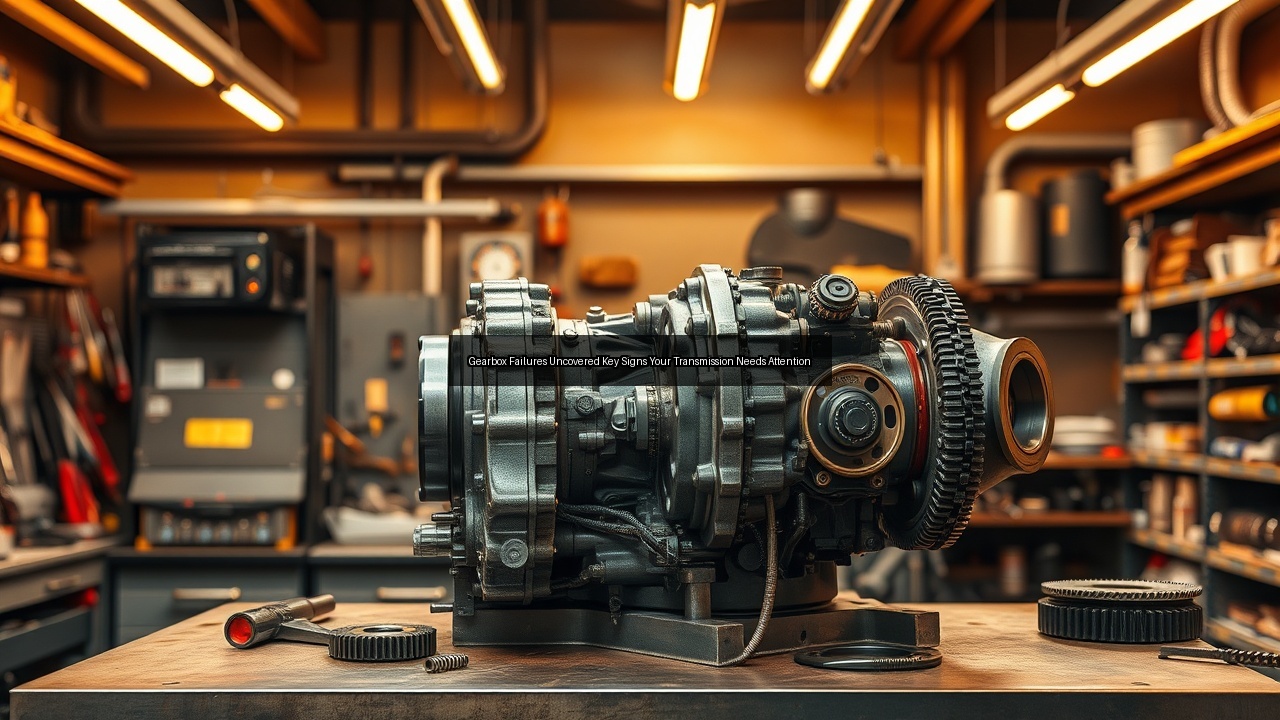
Understanding Gearbox Failures and Their Implications
Common Types of Gearbox Failures
Gearbox failures often stem from worn gears, damaged bearings, or compromised seals in reduction gearboxes. Operators encounter tooth breakage when excessive forces overload the system during heavy loads. Seal degradation allows contaminants to enter and accelerate wear on internal components. Over time, these issues compound and lead to complete transmission breakdowns. Reduction gearbox designs in industrial applications face unique stresses that differ from automotive units. Regular monitoring of gear mesh patterns helps identify early fatigue before catastrophic failure occurs. Companies that track operating hours can predict when specific gearbox types require intervention. Understanding these failure modes allows teams to select appropriate repair strategies and avoid unplanned downtime.
The Impact of Gearbox Failures on Vehicle Performance
A failing gearbox directly reduces vehicle efficiency and power delivery. Drivers notice sluggish acceleration when gears no longer engage smoothly. In severe cases, the transmission slips under load and drains fuel economy. Industrial equipment experiences similar drops in output when gearboxes cannot maintain proper torque ratios. These performance losses increase operational costs and shorten equipment lifespan. Forces transmitted through damaged gearing create additional stress on connected driveline parts. Prompt attention to gearbox issues prevents cascading failures that require more extensive repairs. Vehicle operators who ignore early symptoms often face complete transmission replacement instead of targeted fixes.
Signs Your Transmission Needs Immediate Attention
Transmission problems announce themselves through delayed gear engagement and unusual resistance during shifts. Fluid leaks beneath the vehicle signal seal or gasket failure that demands quick inspection. Dashboard warning lights related to the transmission should never be ignored. When the gearbox struggles to maintain selected gears, safety risks rise sharply. Owners who notice these signs benefit from immediate diagnostic checks rather than continued operation. Early intervention often limits damage to specific components instead of the entire assembly. Professional evaluation determines whether lubrication issues or mechanical wear drive the symptoms. Addressing transmission concerns promptly protects both the vehicle and its operator from larger expenses.
Key Indicators of Gearbox Malfunction
Unusual Noises: What to Listen For
Grinding or whining sounds from the gearbox indicate metal-on-metal contact between damaged gears. Clunking during shifts points to excessive play in bearings or synchronizers. These audible cues grow louder as failure progresses and should trigger immediate inspection. Operators familiar with their equipment recognize when normal operating sounds change. Reduction gearboxes in high-speed applications produce distinct tones when lubrication thins. Recording noise patterns helps technicians correlate symptoms with specific internal problems. Ignoring these auditory warnings frequently leads to more severe gearbox rebuild requirements later. Consistent sound monitoring forms a simple yet effective part of preventative maintenance routines.
Performance Issues: Slipping Gears and Reduced Efficiency
Slipping gears occur when clutch packs or synchronizers inside the gearbox wear beyond tolerance. The transmission may rev without corresponding speed increases, wasting energy and reducing overall efficiency. Load-carrying vehicles suffer most because power delivery becomes inconsistent. Gearbox rebuild services restore proper mesh and friction surfaces that eliminate these symptoms. Reduced efficiency also appears as higher operating temperatures and increased fuel consumption. Technicians measure slip rates during diagnostics to quantify the severity of gearing degradation. Addressing these performance drops early prevents further wear on shafts and other driveline elements. Vehicle owners gain reliable operation once slipping gears receive proper repair.
Vibrations and Heat: Warning Signs of Overheating
Excessive vibration often signals imbalance in rotating gearbox components or misalignment of gear sets. Heat buildup accelerates lubricant breakdown and promotes rapid wear on gear teeth. Touching the gearbox housing after operation reveals temperatures far above normal ranges. Overheating frequently results from inadequate lubrication or blocked cooling passages. Operators who install temperature sensors gain early alerts before damage becomes permanent. Vibrations combined with heat point directly to bearing or gear failure that requires prompt attention. Scheduled checks of fluid levels and condition help maintain thermal stability inside the unit. Ignoring these indicators leads to warped components and costly overhaul procedures.
Preventative Maintenance Strategies for Gearboxes
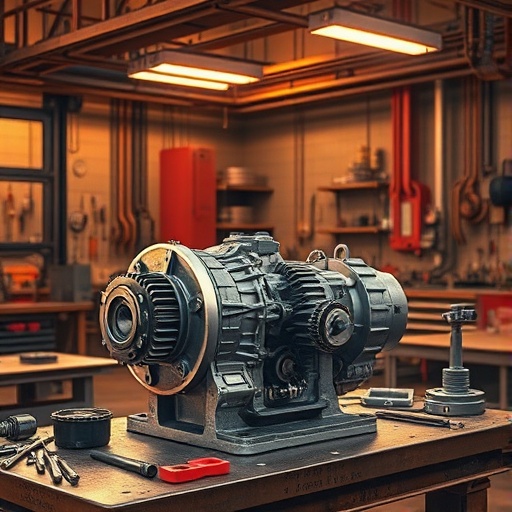
Importance of Regular Inspection and Lubrication
Regular inspection catches wear on gears before it escalates into full gearbox failure. Technicians check fluid condition, level, and temperature during each service interval. Proper lubrication reduces friction and extends the life of bearings and gear teeth. Contaminated oil loses its protective qualities and allows abrasive particles to damage internal surfaces. Companies that follow strict lubrication schedules report fewer unexpected transmission issues. Visual checks of seals and breathers prevent moisture ingress that accelerates corrosion. Documenting inspection results creates a maintenance history useful for predicting future needs. Consistent attention to these details keeps gearboxes operating at peak efficiency.
The Role of Gearing in Transmission Longevity
Precision gearing determines how well a transmission handles torque and speed variations over time. Properly designed gear profiles distribute loads evenly and minimize stress concentrations. When gearing wears unevenly, vibrations increase and efficiency drops. Gearbox rebuild processes often include re-machining or replacing specific gears to restore original specifications. High-quality materials and accurate tooth geometry extend service intervals significantly. Operators who select gearboxes matched to their application avoid premature gearing failure. Regular analysis of gear wear patterns guides decisions about when to perform maintenance. Strong gearing remains the foundation of reliable transmission performance across all duty cycles.
Scheduled Overhaul: When to Consider Gearbox Rebuild Services
Scheduled overhauls become necessary once operating hours or mileage reach manufacturer-recommended thresholds. Gearbox rebuild services return units to like-new condition by replacing worn components and refinishing surfaces. This approach costs less than full replacement while restoring original performance levels. Technicians evaluate vibration data and oil analysis results to time overhauls correctly. Delaying a rebuild often results in secondary damage that increases both downtime and repair expenses. Many companies schedule gearbox rebuilds during planned maintenance windows to minimize production interruptions. Rebuilds also allow upgrades to improved seals or bearings that enhance future reliability. Proactive overhaul planning protects equipment value and operational continuity.
Cost Considerations in Gearbox Repairs and Overhauls
Analyzing Costs Associated with Gearbox Repairs
Gearbox repair costs vary based on the extent of damage and the complexity of the unit. Minor seal replacements remain inexpensive compared with full internal overhauls. Labor rates and parts availability influence total expenses significantly. Reduction gearboxes in heavy machinery often require specialized tooling that adds to the bill. Accurate failure analysis helps technicians target only the damaged components and control costs. Owners who obtain multiple quotes avoid overpaying for standard repair procedures. Tracking repair history reveals patterns that justify earlier preventative maintenance investments. Transparent cost breakdowns from service providers support better budgeting decisions.
Comparing Gearbox Rebuild vs Replacement Costs
Gearbox rebuild costs typically range 40 to 60 percent lower than complete replacement for most industrial units. Rebuilds reuse serviceable housings and shafts while refreshing critical internal parts. Replacement becomes preferable only when the original casing suffers irreparable damage. Gearbox rebuild services also offer faster turnaround times than sourcing new units from manufacturers. Warranty coverage on rebuilt gearboxes now matches many new units when performed by qualified shops. Cost comparisons must include downtime expenses during the repair period. Many operators choose rebuilds because they restore performance without the long lead times of new equipment. Evaluating both options against operational requirements leads to the most economical decision.
Understanding Warranty Implications in Gearbox Services
Warranty terms on gearbox repairs depend on the scope of work performed and the service provider. Rebuilds often carry one- to three-year coverage on parts and labor when completed to specification. Replacement units may include longer manufacturer warranties but at higher initial cost. Owners should verify that warranty conditions cover both normal operation and specific failure modes. Documentation of all maintenance supports warranty claims if problems recur. Some companies extend warranties on gearboxes that receive regular inspection and lubrication services. Understanding these implications helps operators select repair partners that protect their investment. Clear warranty language reduces disputes and ensures continued equipment support.
The Process of Gearbox Rebuild and Repair
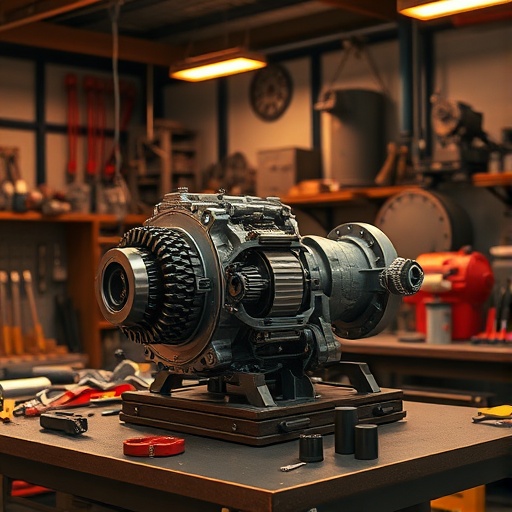
Machining and Reverse Engineering Techniques
Machining restores worn gear teeth, shafts, and housings to original tolerances during gearbox rebuild procedures. Reverse engineering creates replacement parts when OEM components are unavailable or obsolete. Advanced measurement tools capture precise dimensions that guide CNC machining operations. These techniques allow repair shops to service older reduction gearboxes that would otherwise require full replacement. Quality control checks verify that machined surfaces meet hardness and finish specifications. Skilled machinists combine traditional methods with modern technology to achieve reliable results. Gearbox repair services that invest in these capabilities handle a wider range of equipment types. Precision machining remains essential for returning transmissions to full operational capacity.
Failure Analysis: Identifying Root Causes
Failure analysis examines broken components to determine why the gearbox malfunctioned. Technicians inspect fracture surfaces, measure wear patterns, and test lubricant samples. Root cause identification prevents repeat failures after repair. Overloading, misalignment, or inadequate lubrication often emerge as primary contributors. Detailed reports guide future preventative maintenance adjustments that extend service life. Companies that conduct thorough failure analysis improve overall equipment reliability. This process also informs decisions about gearbox rebuild versus more extensive modifications. Accurate root cause findings deliver long-term value beyond the immediate repair.
Choosing the Right Company for Gearbox Repair and Maintenance
Selecting a gearbox repair company requires evaluating experience with specific brands and gearbox types. Facilities equipped for reverse engineering and precision machining handle complex jobs effectively. Customer references and documented success with similar transmission repairs provide confidence in capabilities. Turnaround time and warranty offerings further distinguish quality providers. Operators benefit from partners that offer both repair and ongoing preventative maintenance programs. A capable company reduces downtime through efficient diagnosis and execution of gearbox rebuild services. Long-term relationships with trusted repair shops yield consistent results and cost control. Thorough vetting ensures the chosen partner meets operational and budgetary requirements.
See Also
- Exploring the World of Reduction Gearbox Rebuilds Enhancing Performance
- Machining Techniques in Gearbox Overhaul and Their Impact on Reliability
- Inside the Gearbox Repair Shop What Happens During a Rebuild
- The Importance of Lubrication in Gearbox Rebuilding for Longevity
- Choosing the Right Gearbox Repair Company for Your Needs