Energy Saving Tips for Heating and Dehumidifying Your Indoor Pool
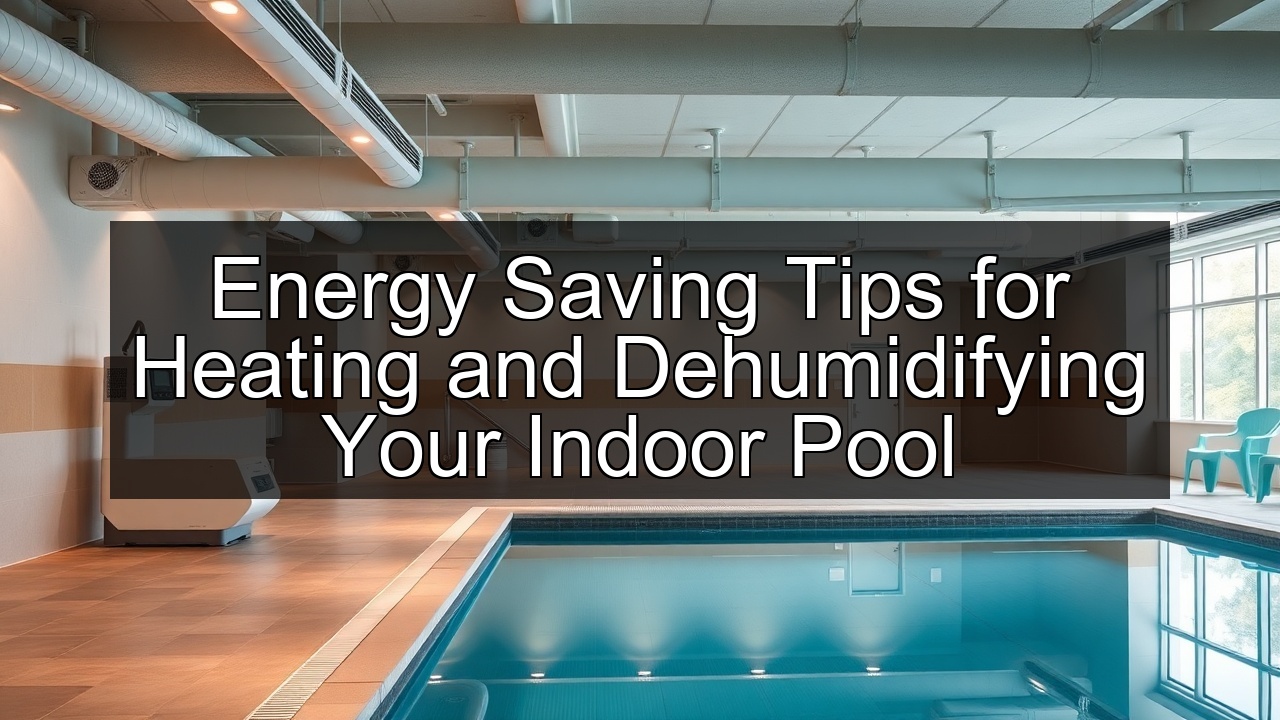
Understanding Indoor Pool Humidity Control
The Importance of Relative Humidity
Relative humidity dictates comfort and structural integrity in indoor pools. High levels foster mold growth on cement walls and promote corrosion in metal fixtures, turning a relaxing swim into a maintenance nightmare. Owners of indoor swimming pools must monitor this metric closely, aiming for 50-60% to balance evaporation with air quality. Excessive moisture from the water surface evaporates rapidly in heated environments, saturating the air and triggering condensation on cooler surfaces like windows and room ceilings. This not only wastes energy through constant dehumidification efforts but also heightens operational costs for heating and climate control. By prioritizing relative humidity management, you safeguard health—preventing respiratory issues from damp air—and extend the lifespan of your facility. Smart sensors integrated into your system provide real-time information, allowing proactive adjustments that enhance overall efficiency in swimming pool humidity control.
Consider the daily evaporation rate in a typical indoor pool: it can release up to 2 gallons of water per hour per 100 square feet of surface area under standard conditions. Without proper humidity control, this moisture lingers, forcing HVAC systems to overwork. Investing in reliable swimming pool dehumidifiers early pays dividends, as they reclaim that evaporated water and recirculate drier air, stabilizing the environment. For residential setups or community centers like the YMCA, maintaining optimal relative humidity ensures users enjoy crisp, invigorating sessions without the clammy discomfort of oversaturated spaces. Experts recommend logging humidity trends over weeks to identify patterns tied to usage or seasonal changes, refining your approach for sustained energy saving.
ASHRAE Guidelines for Natatoriums
ASHRAE sets the gold standard for natatoriums, recommending 30-60% relative humidity to prevent microbial proliferation while supporting swimmer comfort. These guidelines emphasize ventilation rates that align with bather loads, ensuring fresh air circulation without excessive energy loss. For indoor pools, ASHRAE advises integrating dehumidification directly into the HVAC design, avoiding standalone fixes that guzzle power. Natatorium operators follow these protocols to comply with building codes and insurance requirements, as unchecked humidity can lead to costly structural damage in cement-based enclosures. The organization's standards also cover temperature differentials—keeping air 2-4°F warmer than water—to minimize condensation on room surfaces.
Implementing ASHRAE's framework starts with a site assessment, evaluating room volume and pool size to determine baseline needs. This information guides the selection of equipment, such as mechanical dehumidifiers tuned for precise climate control. In commercial settings, like hotel natatoriums, adherence to these guidelines slashes utility bills by optimizing airflow and heat recovery. ASHRAE stresses regular audits, using tools to measure CFM and humidity levels against benchmarks. For smaller indoor swimming pools, scaling down these principles still yields big wins: pair them with energy-efficient lighting and zoning to create a dehumidified oasis that runs smoothly year-round. Pool professionals often cite ASHRAE as the blueprint for transforming high-moisture challenges into manageable routines.
Impact of High Humidity on Indoor Pools
High humidity ravages indoor pools, accelerating wear on every component from the water filter to the enclosing room structure. Condensation pools on ceilings and walls, seeping into cement and fostering cracks that demand expensive repairs. Swimmers suffer too—damp air irritates skin and eyes, while mold spores trigger allergies, deterring regular use. Energy-wise, unchecked moisture forces heaters and dehumidifiers to cycle relentlessly, spiking electricity use by up to 30% in poorly managed spaces. This cascade effect undermines the appeal of indoor swimming pools, especially in colder climates where outdoor alternatives vanish.
Beyond aesthetics, high humidity disrupts operations in facilities like the YMCA, where safety hinges on dry, slip-free environments. Water evaporation intensifies with warmer temperatures, creating a humid microclimate that burdens climate control systems. Over time, this leads to corrosion in pool edges and ladders, plus bacterial buildup in stagnant air pockets. Troubleshooting these issues early—through vigilant monitoring of relative humidity—preserves the investment. Effective swimming pool dehumidification not only restores balance but also enhances air quality, making sessions more enjoyable and sustainable. Owners who ignore the signs risk escalating costs, from frequent cleanings to full overhauls, proving that proactive humidity control saves both money and hassle in the long run.
Choosing the Right Dehumidifier for Your Indoor Pool
Types of Dehumidifiers: Desiccant vs. Mechanical
Desiccant dehumidifiers excel in colder environments, using moisture-absorbing materials like silica gel to pull humidity from the air without relying on refrigeration coils. They regenerate by heating the desiccant, making them ideal for natatoriums where temperatures dip below 65°F, common in energy-saving setups. Mechanical dehumidifiers, on the other hand, cool air to condense water vapor, then reheat it for recirculation—perfect for warmer indoor pools but less efficient in chillier rooms. Choosing between them hinges on your climate control needs: desiccants handle variable loads quietly, while mechanical units offer straightforward operation for steady humidity.
For residential indoor swimming pools, mechanical models provide cost-effective pool moisture control, integrating seamlessly with existing HVAC. Commercial spaces lean toward desiccants for their durability in high-traffic areas, like busy YMCA facilities. Both types address swimming pool dehumidification, but hybrids combine strengths for ultimate versatility. Evaluate energy ratings—look for units with high moisture removal rates per kilowatt—to align with your heating strategy. Installation pros often recommend ducted systems for even distribution, ensuring the entire room benefits from dehumidified air. This decision shapes long-term efficiency, turning a simple choice into a cornerstone of sustainable pool care.
Best Swimming Pool Dehumidifiers on the Market
Top swimming pool dehumidifiers stand out for their robust performance and user-friendly features, like the PoolPak series that balances humidity control with energy efficiency. These units boast advanced sensors for automatic adjustments, tackling evaporation head-on in indoor pools of all sizes. For budget-conscious owners, the Honeywell pool dehumidifier delivers reliable moisture removal at a fraction of commercial costs, ideal for home setups. Market leaders prioritize corrosion-resistant builds, essential for the chlorine-laden air of natatoriums, ensuring longevity without frequent replacements.
Reviews highlight the Santa Fe Compact70 as a favorite for smaller indoor swimming pools, offering quiet operation and precise relative humidity targeting. Commercial users rave about the Munters Green Climacell, a desiccant powerhouse that integrates water filters for comprehensive care. When scouting the best swimming pool dehumidifiers, factor in CFM ratings—aim for 200-500 based on room volume—to guarantee optimal airflow. Energy-saving modes in models like the Dri-Eaz Dehumidifier reduce runtime, pairing well with heat pumps for holistic efficiency. Experts advise demo units or consultations to match tech with your space, maximizing return on investment through tailored dehumidification.
Heavy Duty Swimming Pool Dehumidifiers for Commercial Use
Heavy duty swimming pool dehumidifiers power through the demands of commercial venues, like hotel natatoriums or public centers, with capacities exceeding 100 pints per day. Brands such as Quest and AlorAir engineer these beasts for relentless operation, featuring stainless-steel components to resist the corrosive pool atmosphere. They excel in large rooms, maintaining 50% relative humidity amid heavy bather traffic, preventing the slip hazards and mold that plague under-equipped facilities. Integration with building automation systems allows remote monitoring, a boon for managers juggling multiple sites.
In settings like the YMCA, these units handle peak loads without flinching, often incorporating heat recovery to warm incoming air and cut heating costs. Desiccant models dominate here for their low-temperature prowess, while mechanical heavies suit temperate climates. Key specs include high CFM for thorough circulation and modular designs for easy scaling. Troubleshooting access panels simplify maintenance, keeping downtime minimal. Investing in heavy duty options ensures compliance with ASHRAE guidelines, fostering safe, inviting spaces that draw crowds year-round. For commercial swimming pool dehumidifiers, durability translates to uninterrupted service and substantial energy saving over time.
Energy Saving Tips for Heating Your Indoor Pool
Heat Pumps vs. Traditional Heaters
Heat pumps outshine traditional heaters by extracting ambient heat from the air or ground, delivering up to 400% efficiency compared to gas or electric resistance models that hover around 100%. For indoor pools, they recycle warmth from the room or exhaust air, slashing bills in dehumidified environments. Traditional heaters burn fuel or electricity outright, generating waste heat that escapes in poorly insulated spaces. Switch to a heat pump, and you tap into renewable-like efficiency, especially when paired with swimming pool dehumidifiers that precondition air.
Installation costs more upfront for heat pumps, but rebates and long-term savings—often 50-70% on heating—make them a pool moisture control from Dehumidifier Corp smart pick for natatoriums. They modulate output to match demand, avoiding the on-off cycling of conventional units that spikes energy use. In colder climates, variable-speed models maintain steady water temperatures without overworking. Experts favor heat pumps for their eco-friendly profile, reducing carbon footprints in facilities like community pools. Combine with solar covers to minimize evaporation, amplifying the energy-saving potential of this technology-driven shift.
Optimizing Temperature Settings for Efficiency
Set pool water to 82°F for recreational use and air to 84°F, creating a minimal gradient that curbs evaporation and eases dehumidifier loads. This sweet spot balances swimmer comfort with energy conservation, as every degree above 85°F ramps up humidity by 10-15%. Use programmable thermostats to lower settings during off-hours, saving up to 20% on heating costs without compromising readiness. In indoor swimming pools, align these with occupancy schedules—drop temps overnight, then ramp up pre-use—to fine-tune climate control.
Monitor with digital gauges for precise adjustments, factoring in bather numbers that add body heat. Pair optimized settings with covers to trap warmth, extending the efficiency of heat pumps or traditional heaters. For commercial pools, zoning allows tailored temps in different areas, like therapy sections versus laps. This approach not only trims utility expenses but also extends equipment life by reducing strain. Owners report noticeable drops in overall energy use, proving that smart temperature management transforms heating from a cost center into an efficient asset.
Using Room Insulation to Reduce Heat Loss
Insulate room walls and ceilings with rigid foam or spray polyurethane to lock in heat, cutting losses by 30-50% in indoor pools. This barrier prevents conduction through cement structures, stabilizing temperatures and lightening the load on heaters and dehumidifiers. Vapor barriers prevent moisture migration, avoiding the pitfalls of high humidity that degrade insulation over time. For natatoriums, add insulated glazing to windows, blocking radiant heat escape while allowing natural light.
Retrofit older facilities with reflective foil under decks to bounce heat back toward the water, enhancing overall efficiency. Combine with sealed doors and weatherstripping to minimize drafts, creating a tight envelope that supports energy-saving goals. In commercial setups, professional audits reveal weak spots, guiding targeted upgrades. The payoff? Lower runtime for climate control systems and drier air from reduced evaporation. This foundational step ensures your indoor swimming pool remains cozy and cost-effective, year after year.
Troubleshooting Common Dehumidification Issues
Diagnosing Ineffective Dehumidification
Spot ineffective dehumidification through persistent condensation on surfaces or relative humidity readings above 60%, signaling your swimming pool dehumidifier struggles with load. Check filters for clogs that restrict airflow, a common culprit in dusty natatoriums. Listen for unusual noises—rattling indicates loose components—while verifying refrigerant levels in mechanical units. High energy bills without corresponding moisture removal point to inefficiencies, often from improper sizing relative to room volume.
Inspect ductwork for leaks that bypass dehumidified air, and test sensors for accuracy using calibrated tools. In indoor pools, chlorine vapors can corrode internals, mimicking failure; routine cleaning restores function. Log symptoms over days to pinpoint patterns, like spikes during peak use. Addressing these early prevents escalation, maintaining optimal humidity control and energy saving. Experts stress systematic checks, turning potential breakdowns into quick fixes that keep your space pristine.
CFM Requirements for Optimal Performance
Match CFM to your space: calculate by dividing room volume by 2 for baseline air changes per hour, then scale for pool surface area—aim for 10-20 CFM per square foot of water. Undersized units falter in large natatoriums, leaving corners humid, while overkill wastes energy. For a 5,000 cubic foot room with a 1,000 sq ft pool, target 500-1,000 CFM to ensure thorough circulation and effective dehumidification.
Factor in ceiling height and bather load, as activity boosts evaporation. Ducted systems distribute CFM evenly, preventing dead zones in L-shaped rooms. Test with anemometers during setup to confirm delivery, adjusting fans as needed. In commercial swimming pools, variable-speed blowers adapt to demand, optimizing performance without excess noise. Proper CFM not only enhances moisture control but integrates seamlessly with heating, fostering a balanced, efficient environment that delights users.
Expert Tips for Maintenance and Repairs
Schedule monthly filter cleanings and annual professional inspections to keep swimming pool dehumidifiers humming, catching wear like belt fraying or coil icing early. Experts advise logging runtime hours to predict part replacements, extending unit life beyond a decade. For desiccant models, regenerate cycles demand desiccant checks; mechanical ones need coil brushing to shed scale. In humid natatoriums, combat corrosion with anti-microbial coatings and ventilation during off-seasons.
Troubleshooting starts with power cycles—unplug for 10 minutes to reset electronics. Source OEM parts for repairs to maintain warranties, and train staff on basics like drain line flushing to avoid water backups. Integrate maintenance into energy-saving routines, as a well-tuned dehumidifier cuts overall system strain. Consultants from ASHRAE networks offer tailored advice, ensuring repairs align with guidelines. This diligent care minimizes downtime, preserving the fresh, dry air that defines top-tier indoor pools.
Maximizing Efficiency with Technology
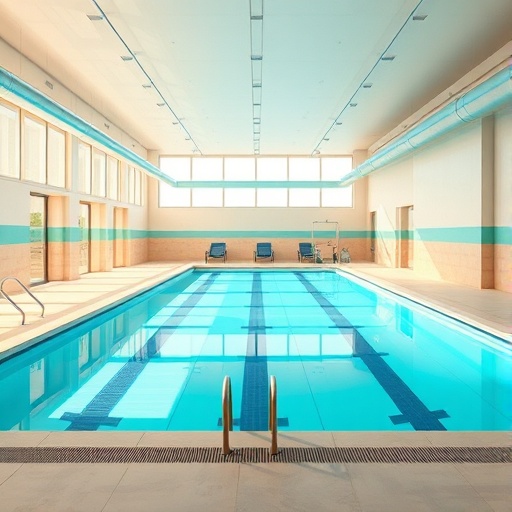
Innovative Solutions for Humidity Control
Smart humidity control systems use IoT sensors to automate dehumidifier operation, adjusting based on real-time relative humidity and occupancy for pinpoint efficiency. These innovations integrate with apps for remote tweaks, alerting owners to anomalies in indoor pools. Ultrasonic nebulizers in advanced units enhance moisture capture without added energy, while AI algorithms predict evaporation peaks from weather data. For natatoriums, blockchain-tracked maintenance logs ensure compliance and optimize performance.
Hybrid tech merges desiccant and mechanical elements, adapting to fluctuating loads in commercial spaces. Pair with variable refrigerant flow for seamless heating-dehumidification synergy, slashing costs by 25%. Innovations like self-cleaning coils reduce upkeep, keeping air dehumidified effortlessly. This tech-forward approach revolutionizes pool moisture control, making energy saving intuitive and impactful for facilities of any scale.
Nexgen Dehumidifiers: The Future of Pool Care
Nexgen dehumidifiers pioneer next-level efficiency with modular designs that scale for any indoor pool, from homes to expansive natatoriums. Their eco-materials resist chlorine damage, and built-in heat exchangers recover energy from exhaust, warming water directly. Advanced controls use machine learning to optimize CFM and runtime, targeting 40-50% relative humidity with minimal power draw. For commercial users, Nexgen's cloud integration enables fleet management, streamlining operations across sites like the YMCA.
These units boast 50% better moisture removal than predecessors, integrating water filters for holistic care. Energy-saving features include solar-assisted regeneration for desiccants, cutting grid reliance. Experts hail Nexgen as the benchmark for future pool dehumidification, blending durability with smart tech. Adopters report halved utility bills and enhanced air quality, positioning this innovation as essential for sustainable swimming pool humidity control.
Integrating Water Filters and Dryers with Dehumidifiers
Link water filters with dehumidifiers to tackle impurities at the source, reducing chemical needs and evaporation in indoor pools. High-efficiency filters capture fine particles, clarifying water and lessening airborne contaminants that burden dehumidification. Dryers, like air-to-air models, precondition intake to boost dehumidifier output, creating a synergistic loop for climate control. This setup in natatoriums minimizes humidity spikes, as cleaner water evaporates slower.
For commercial applications, automated sequencing ensures filters backwash only when dehumidifiers idle, saving energy. Integrate dryers to reclaim heat from filtered exhaust, feeding it back to heaters. Experts recommend cartridge-based systems for easy swaps, maintaining peak performance. This integration streamlines troubleshooting, as synced components share diagnostics. Overall, it elevates efficiency, delivering drier, healthier spaces with less effort and cost.
See Also
- Mastering Humidity Control in Natatoriums for Optimal Swimming Conditions
- Exploring the Benefits of Dehumidified Air for Swimming Pool Longevity
- Creating a Comfortable Indoor Pool Environment with Effective Moisture Control
- The Role of CFM Ratings in Selecting Your Perfect Pool Dehumidifier
- How to Choose the Best Dehumidifier for Your Indoor Pool Experience